How Much Water Should You Drink a Day?
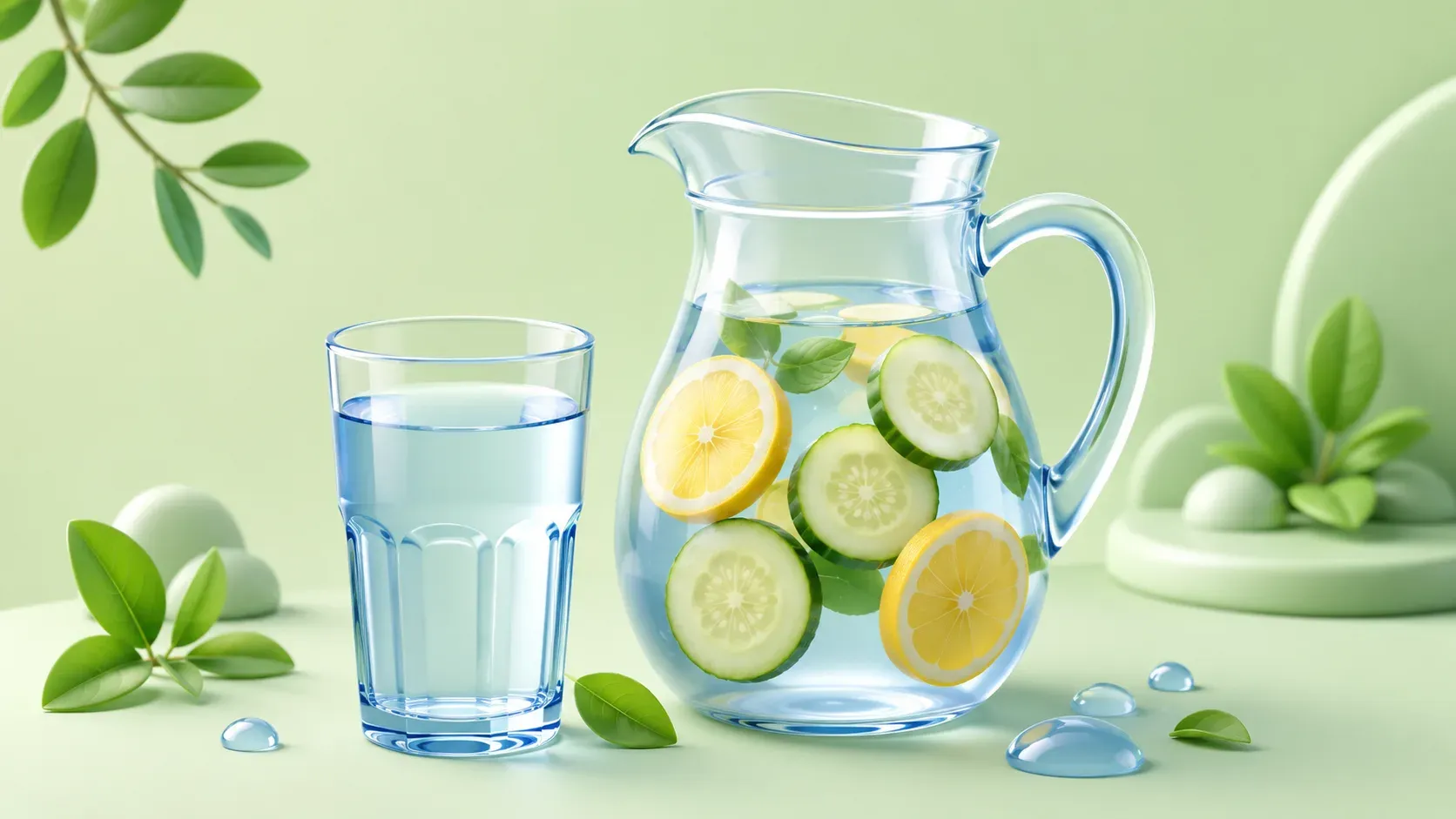
Forget the one-size-fits-all rule. Learn the real water intake guidelines, why the 8-glasses idea is a rough floor at best, and the simple signals that tell you when you have had enough.
Healthy eating doesn't have to mean bland meals, expensive 'superfoods,' or giving up everything you love. At its core, it's about building a way of eating you can actually keep up, mostly whole foods, enough protein and fiber, plenty of plants, and room for the foods that make life enjoyable. Consistency matters far more than perfection. These guides focus on the practical side of eating well: how to prep meals so the healthy choice is the easy choice, how to swap high-calorie foods for satisfying lighter ones, how to eat well without blowing your budget, and how to enjoy restaurants and social meals without derailing your goals. There's no moralizing here and no 'good' or 'bad' foods, just realistic strategies that fit real life and support whatever you're working toward, whether that's losing weight, eating more mindfully, or simply feeling better day to day. Pick a guide and start with one small change.
Forget the one-size-fits-all rule. Learn the real water intake guidelines, why the 8-glasses idea is a rough floor at best, and the simple signals that tell you when you have had enough.
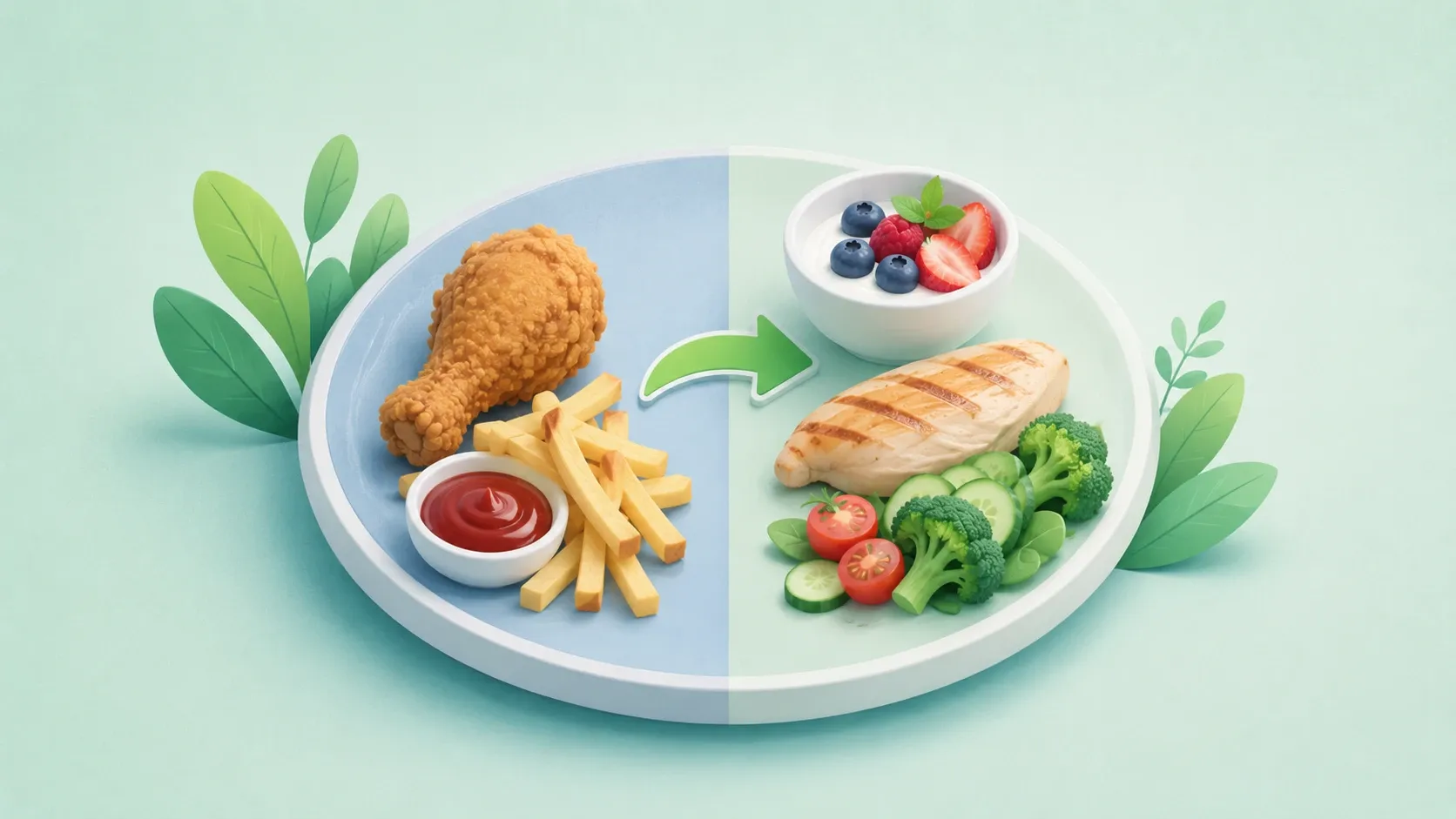
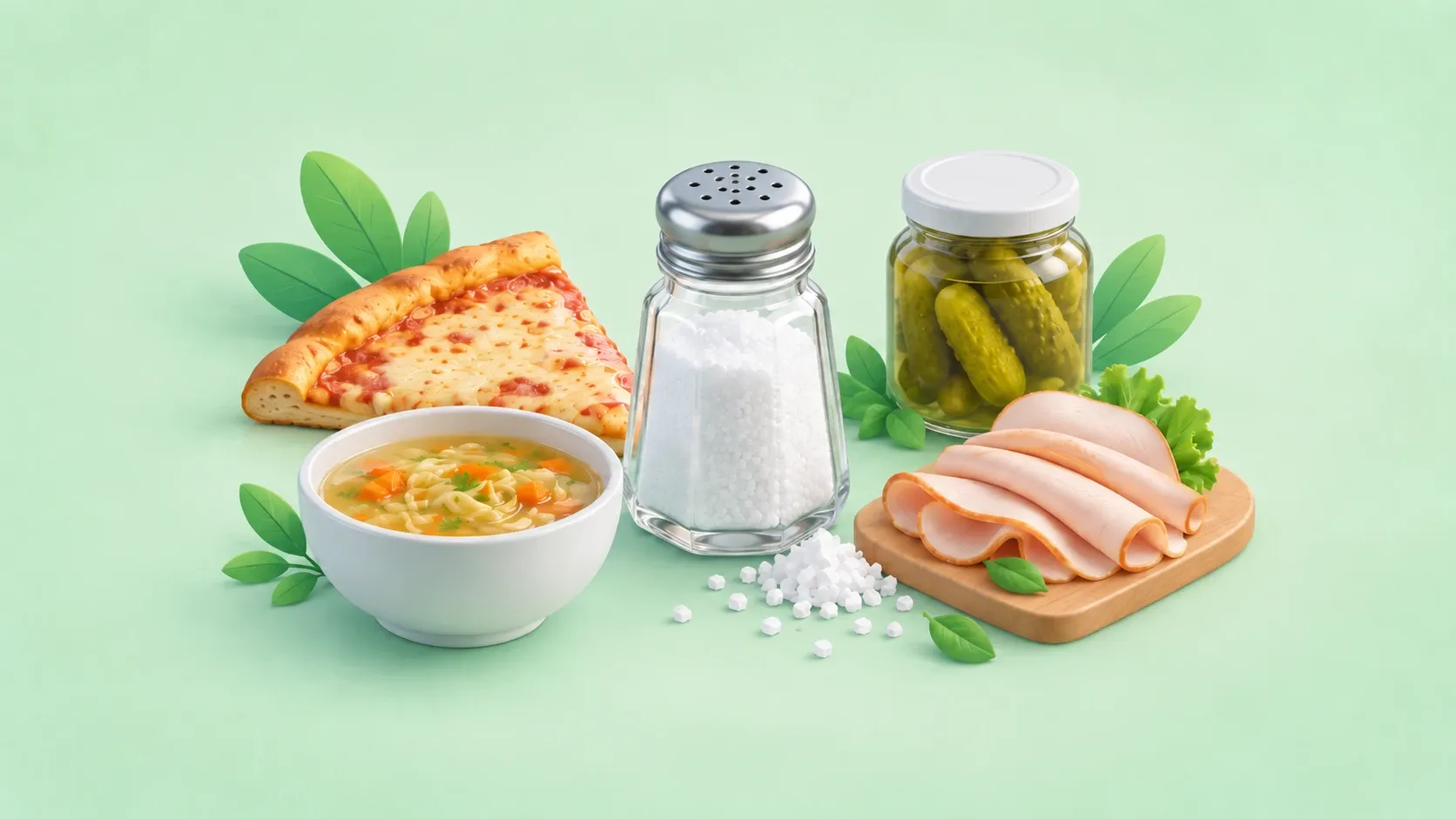
Small swaps that lower energy density or add protein and fiber add up over time. Here are 50 easy upgrades, with approximate calories saved from USDA data.
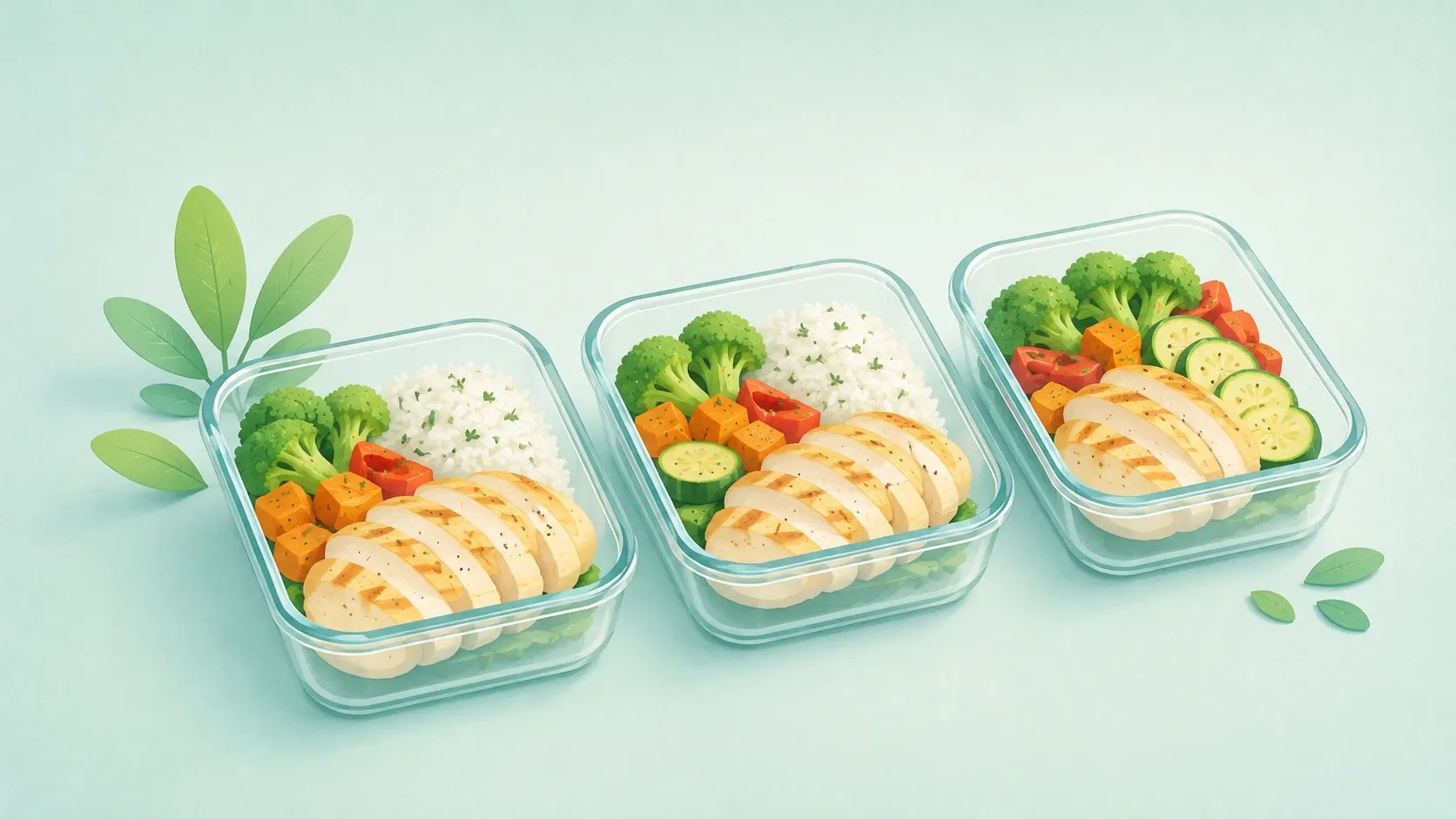
Meal prep makes eating well almost automatic. Here's a beginner-friendly way to plan, batch-cook, and portion meals you'll actually look forward to.
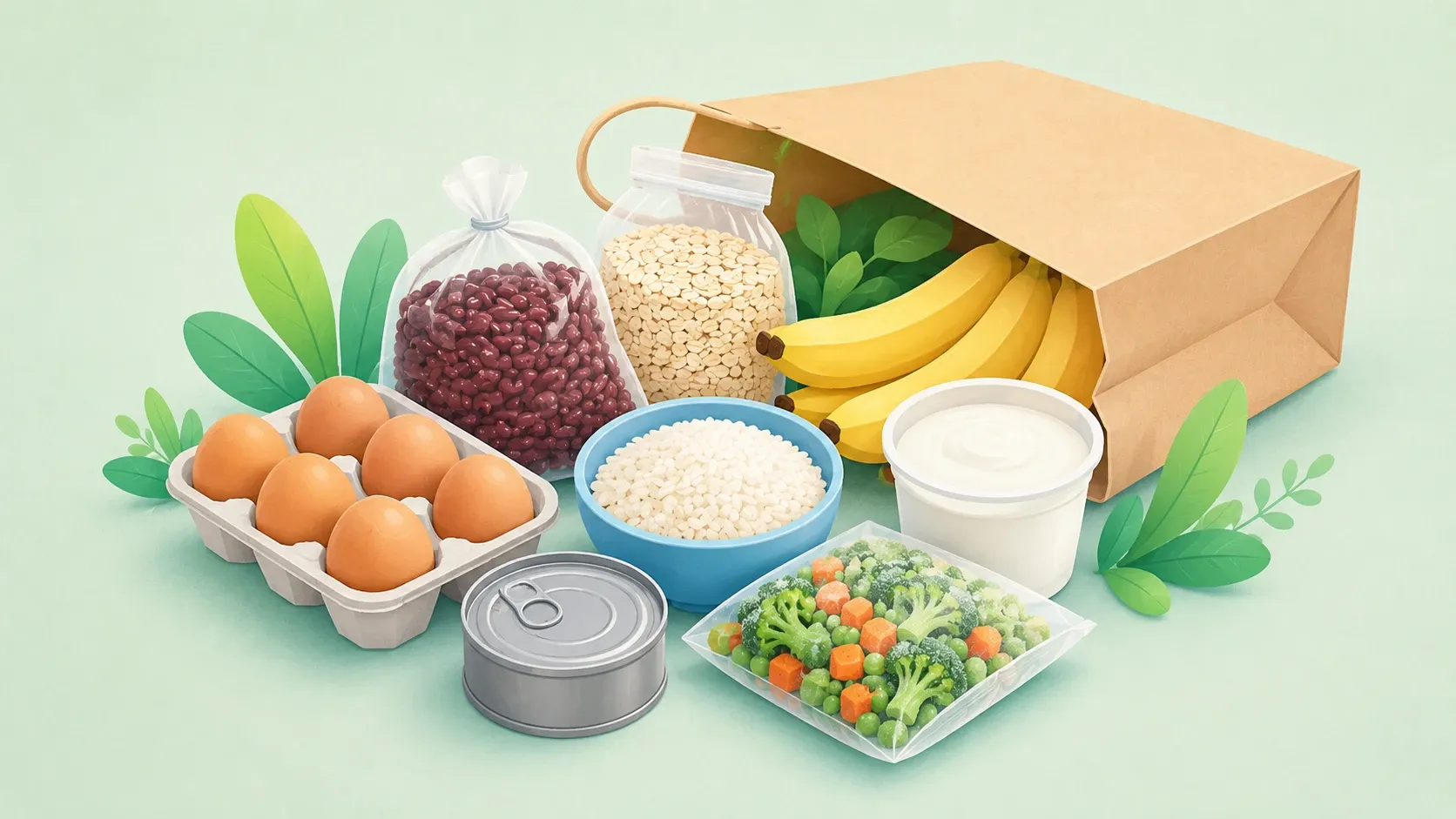
Eating well does not have to be expensive. Here are practical, USDA-backed strategies, a cheap healthy staples list, and easy meals to eat better for less.
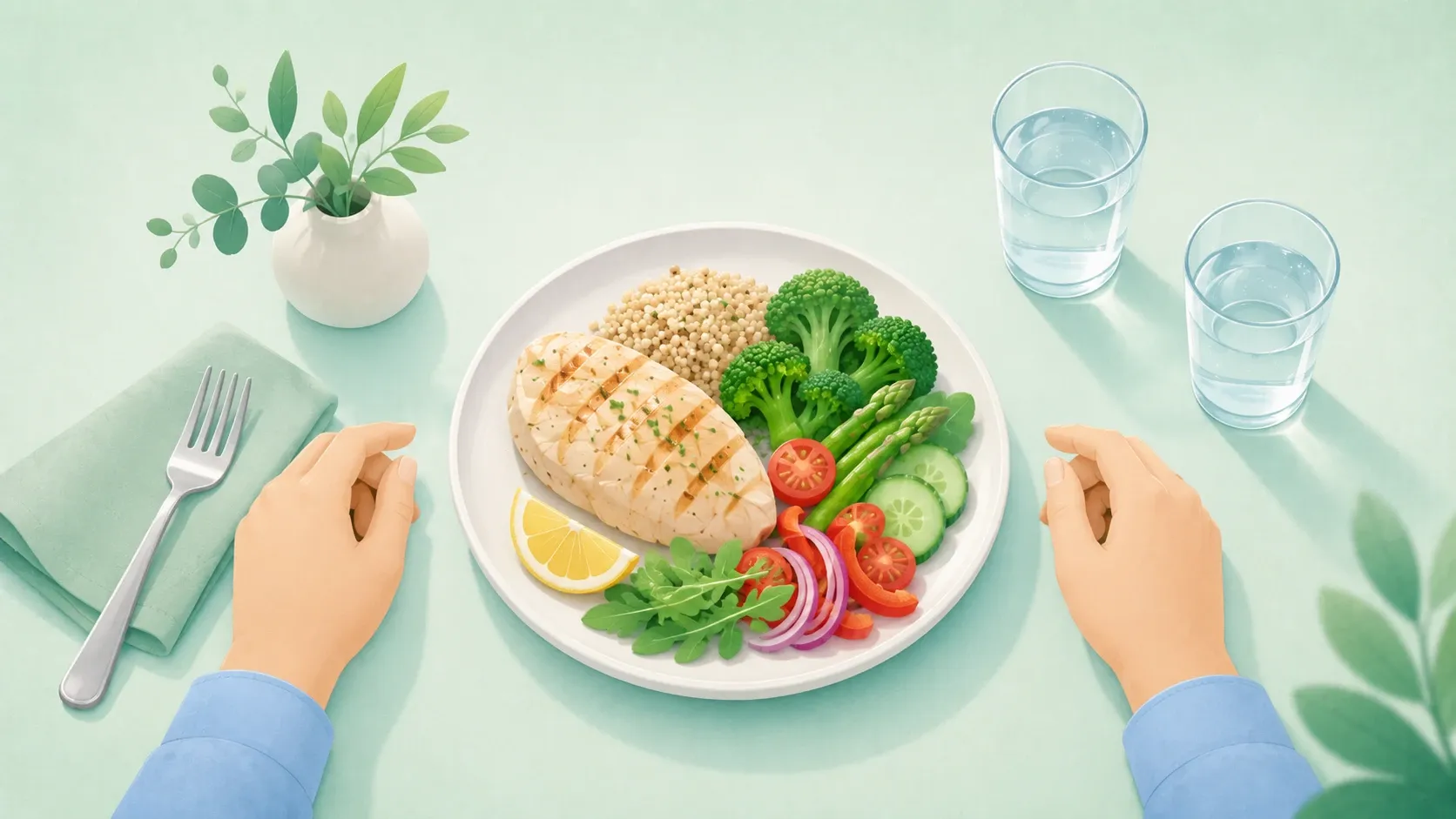
Eating out is part of a normal life, not a cheat. Here are simple, science-backed ways to enjoy restaurants and still stay on track with your goals.